Sign Up for Newsletter
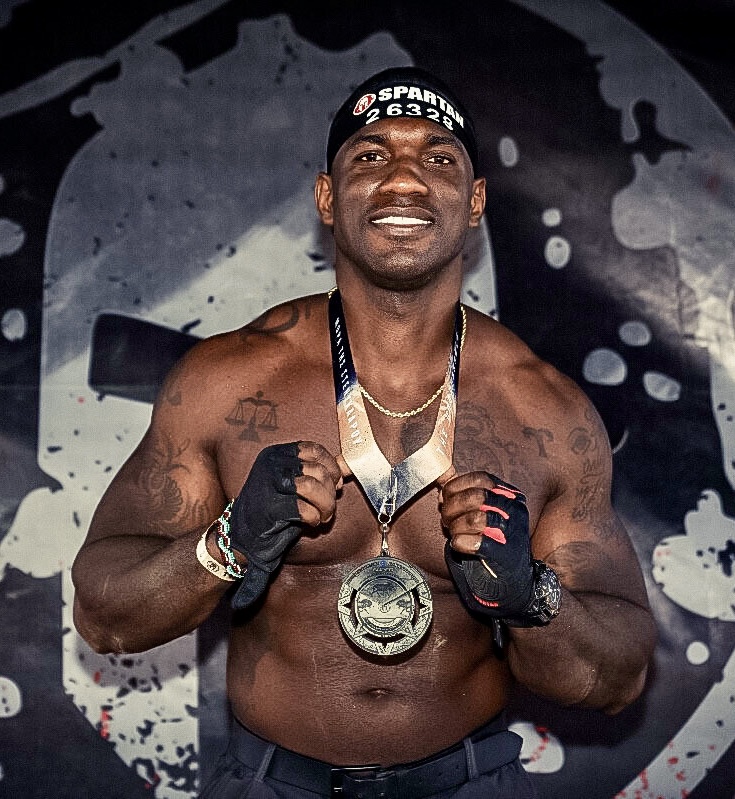
There’s something different about obstacle course racing. It’s not just running. It’s not just strength. It’s not just endurance. It’s controlled chaos. Mud in your eyes. Legs cramping. Heart pounding. Hands slipping off wet obstacles while every part of your body tells you to stop. Yet somehow… you keep moving. Obstacle course racing is one of the purest tests of physical and mental toughness. Events like Tough Mudder, Savage Race, and Spartan Race force you to adapt, suffer, problem-solve, and push through discomfort in real time.
Spartan Race: Grit, Discipline, and Mental Warfare
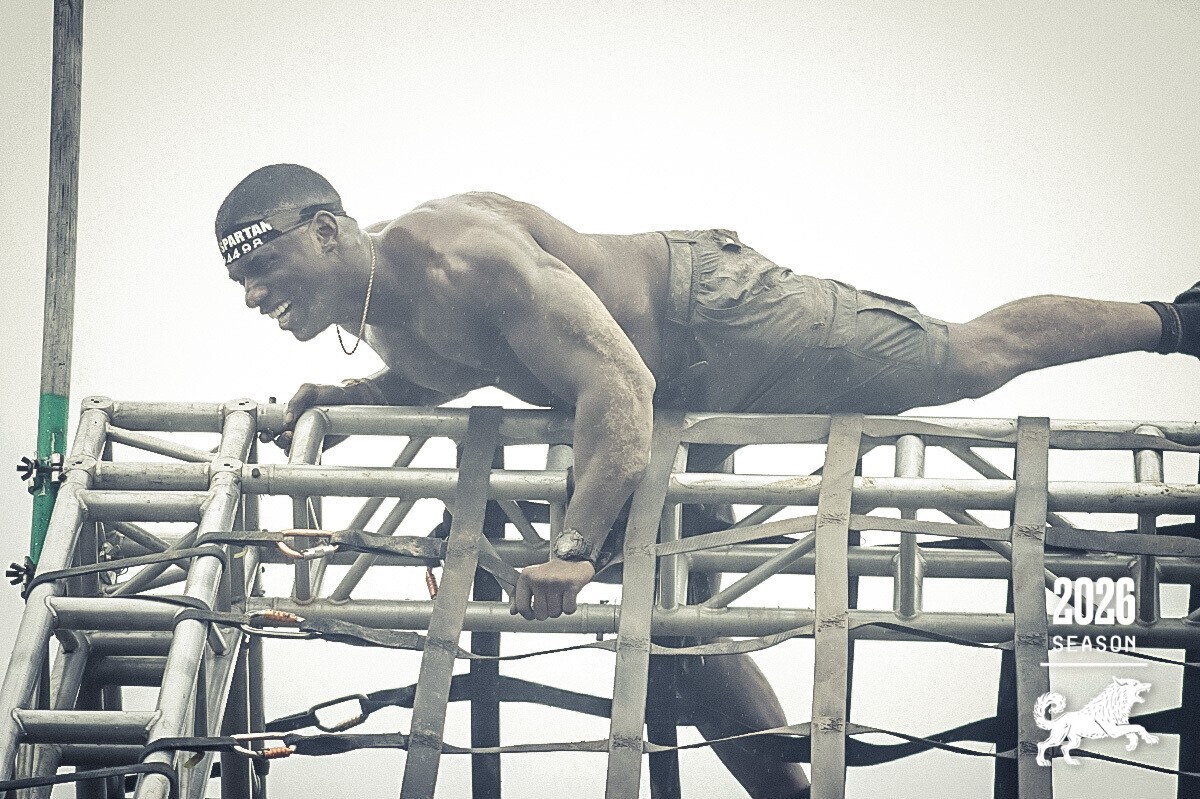
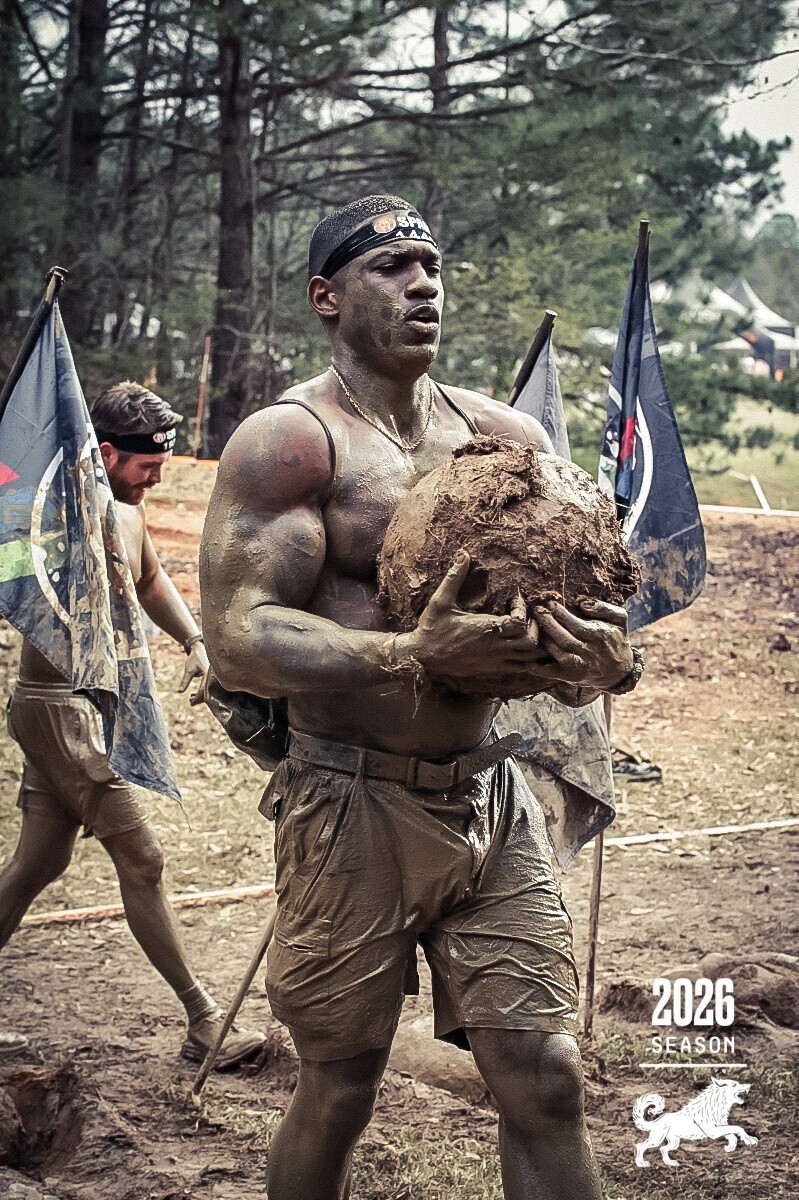
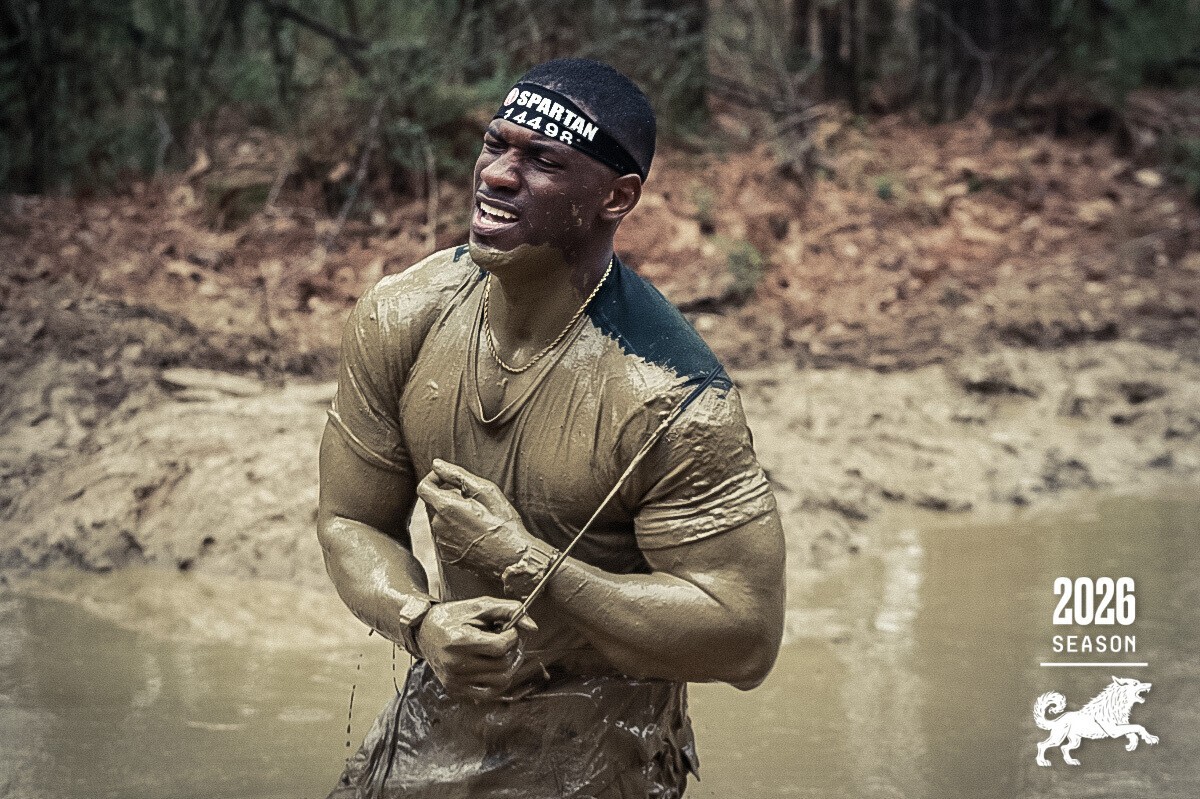
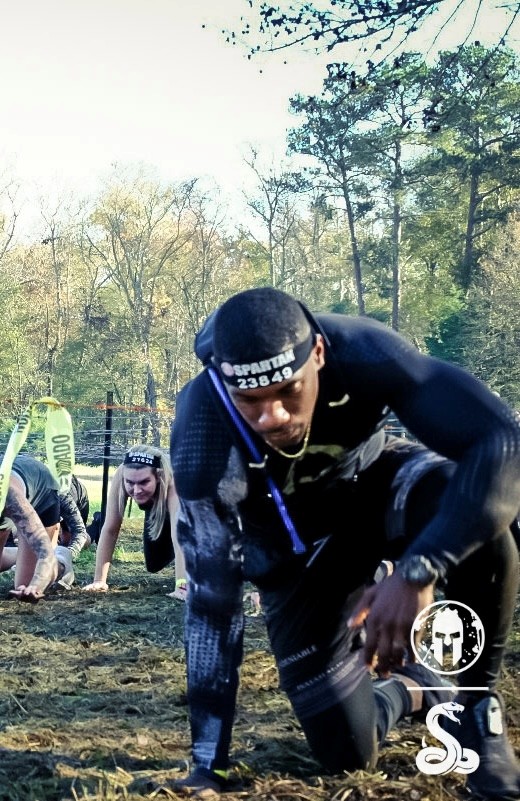
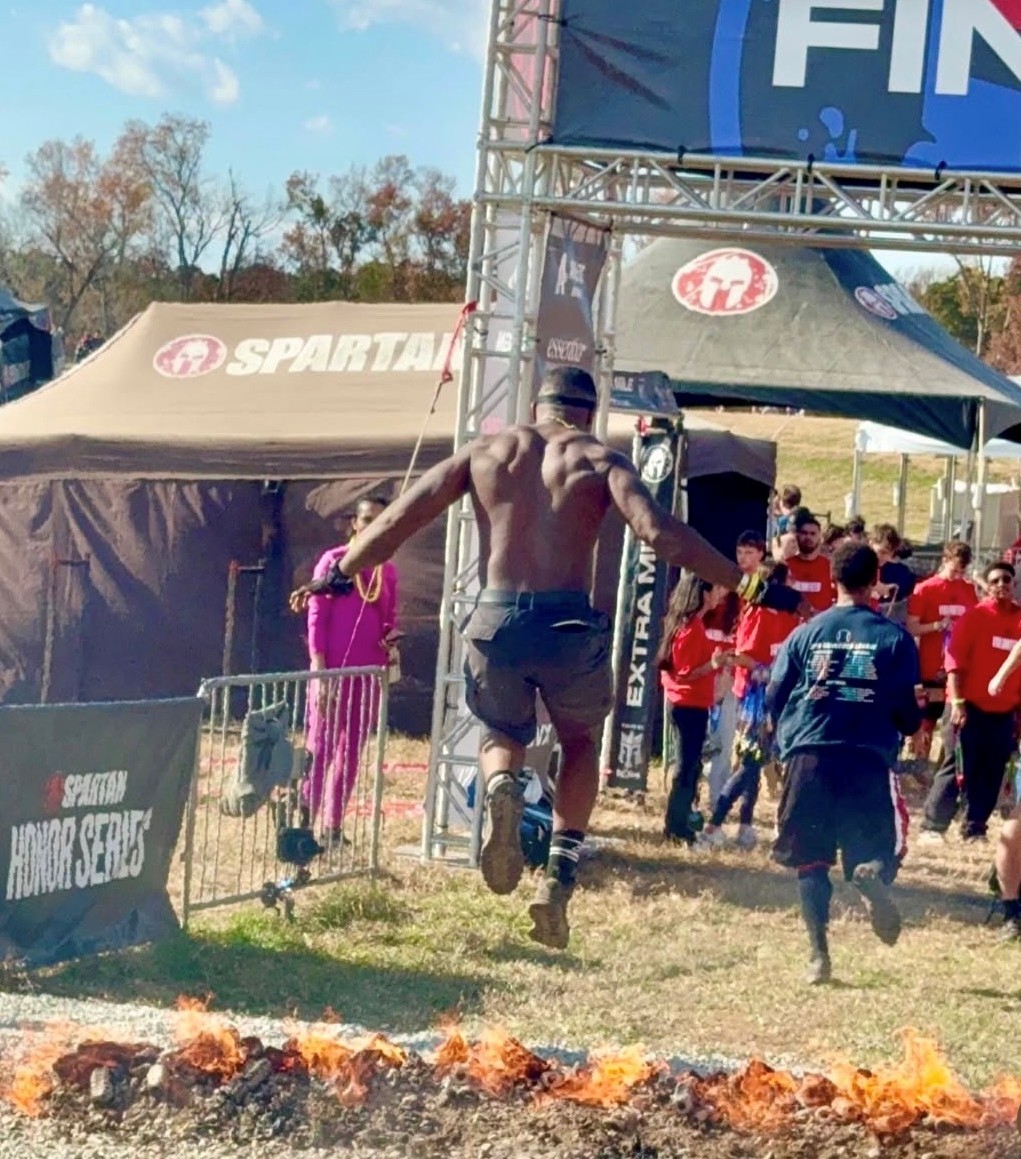
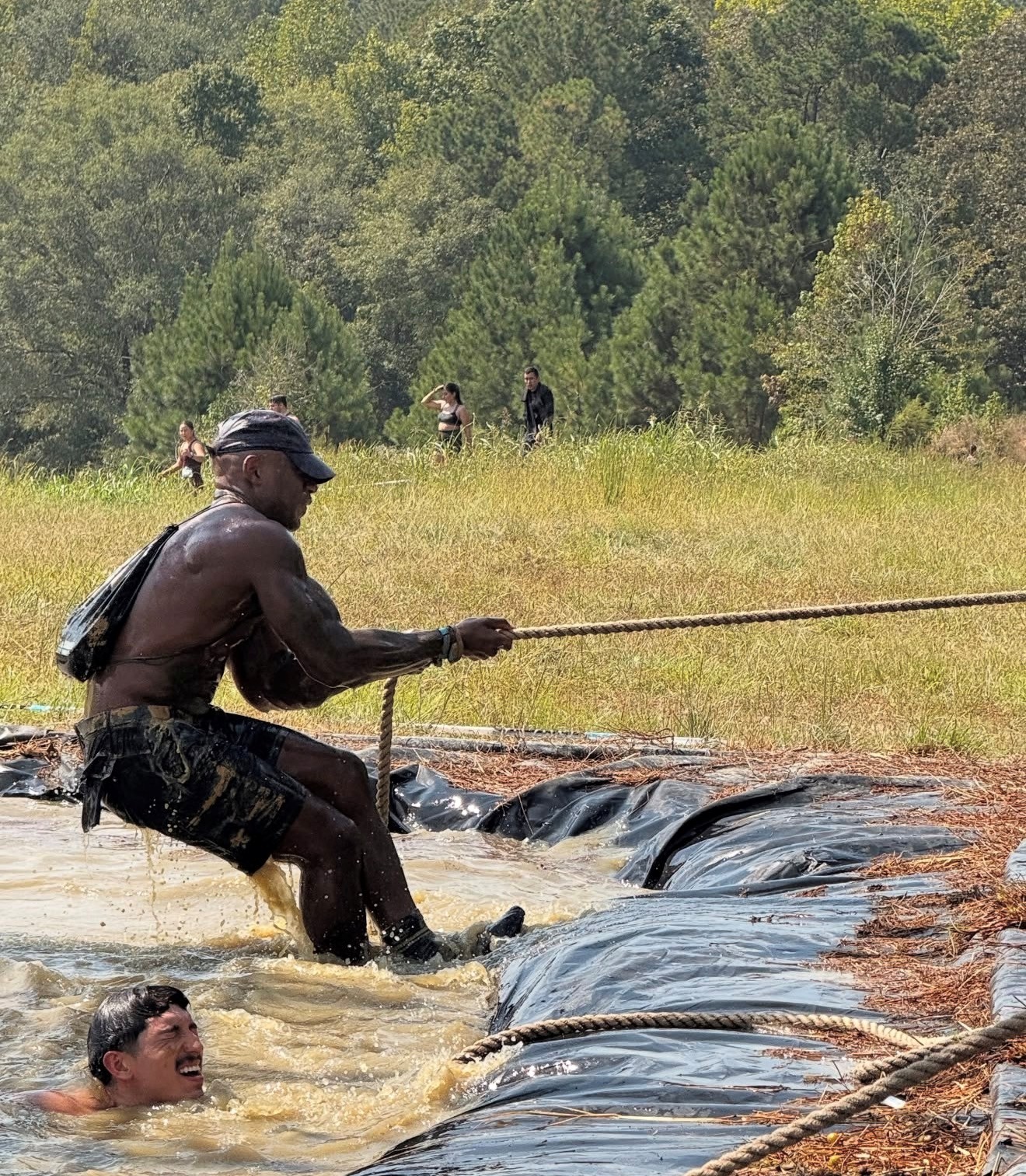
Spartan Race feels more military-inspired and mentally punishing. Distances range from Sprint races all the way to Beast and Ultra events that can completely break unprepared athletes. Spartan places heavy emphasis on endurance, mental toughness, carry strength, hills, and functional fitness. The chain carries, atlas stones, and muddy terrain featured in these photos perfectly capture the Spartan mentality — heavy, uncomfortable, relentless.
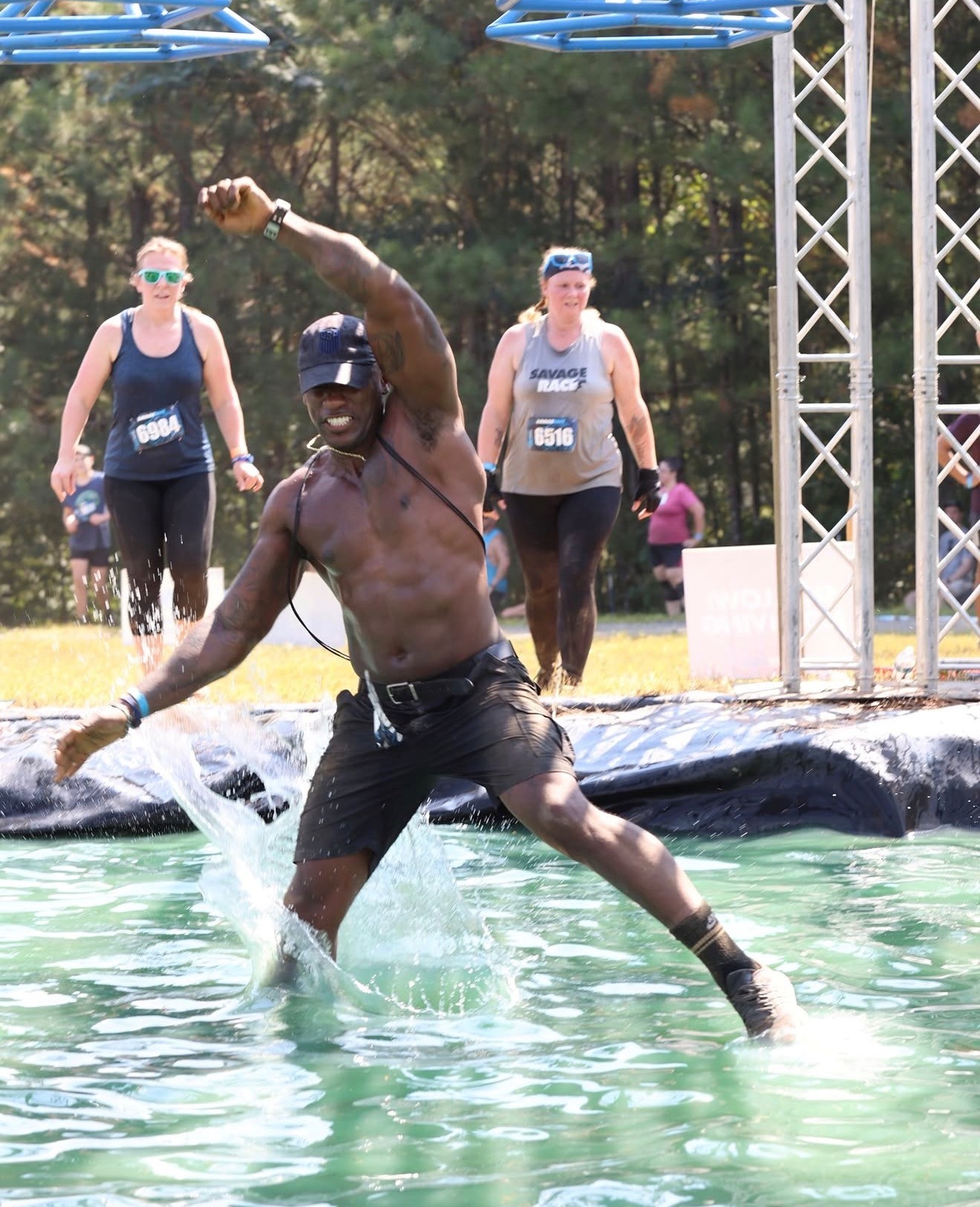
Savage Race: Fast, Explosive, and Fun
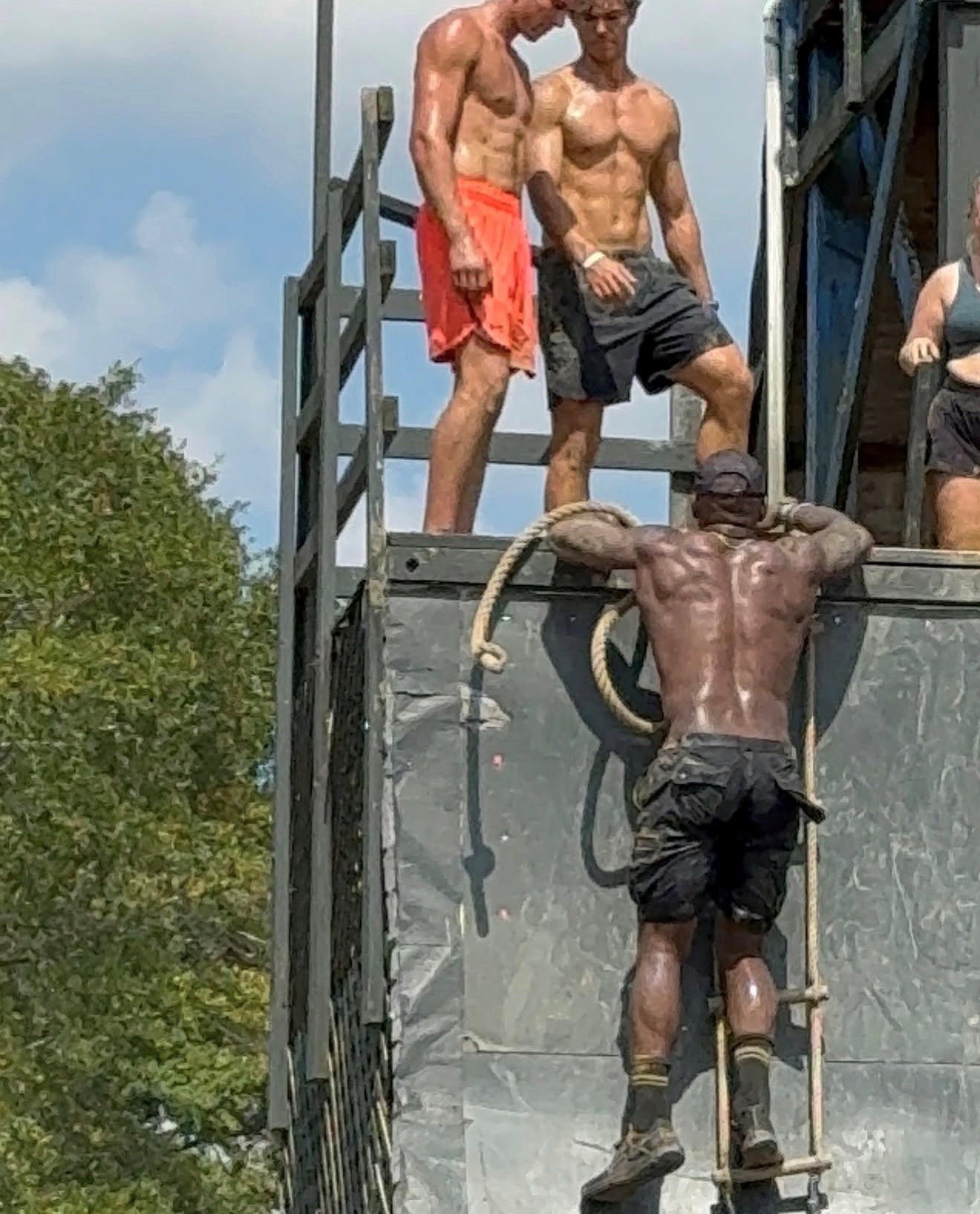
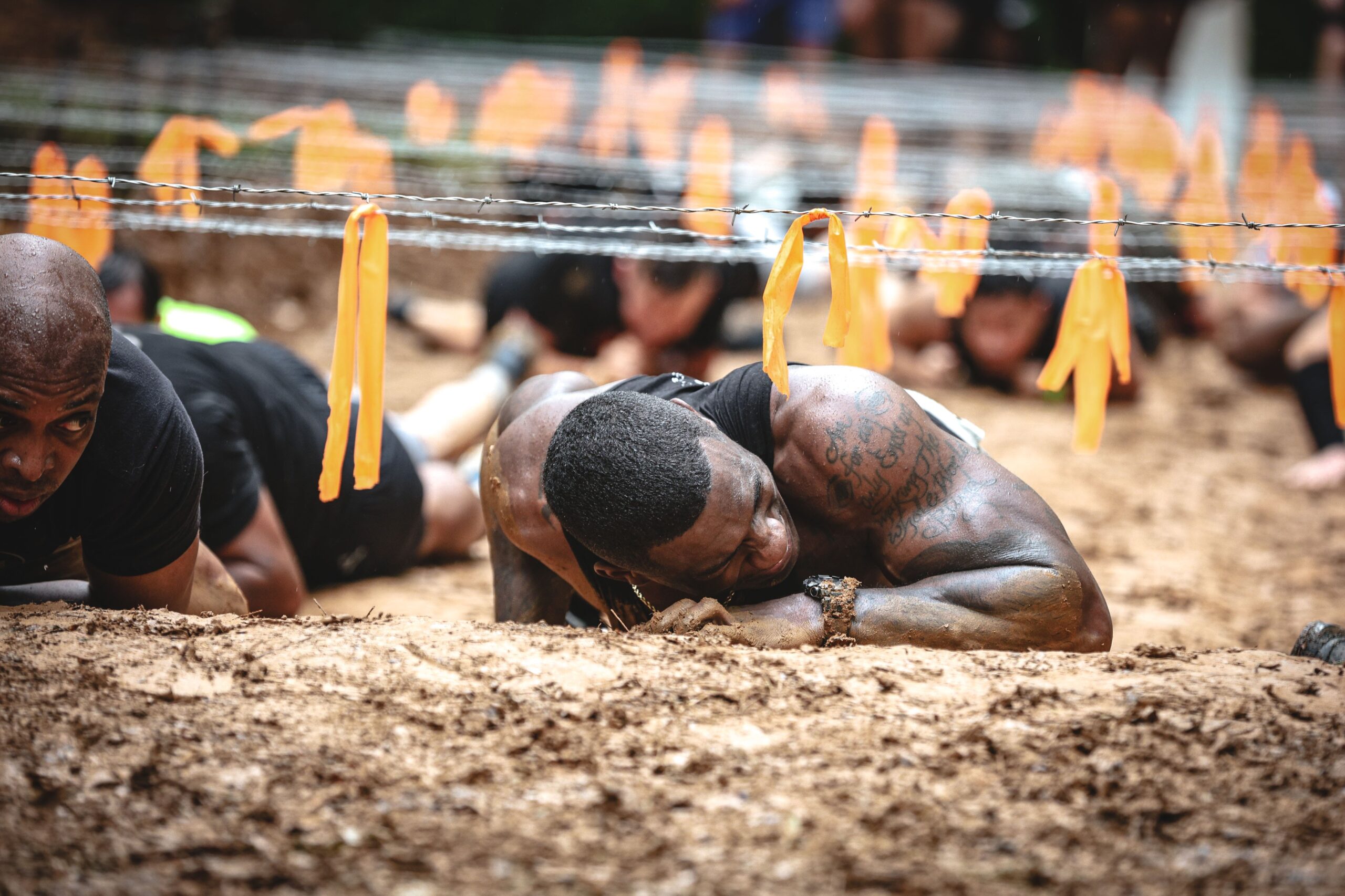
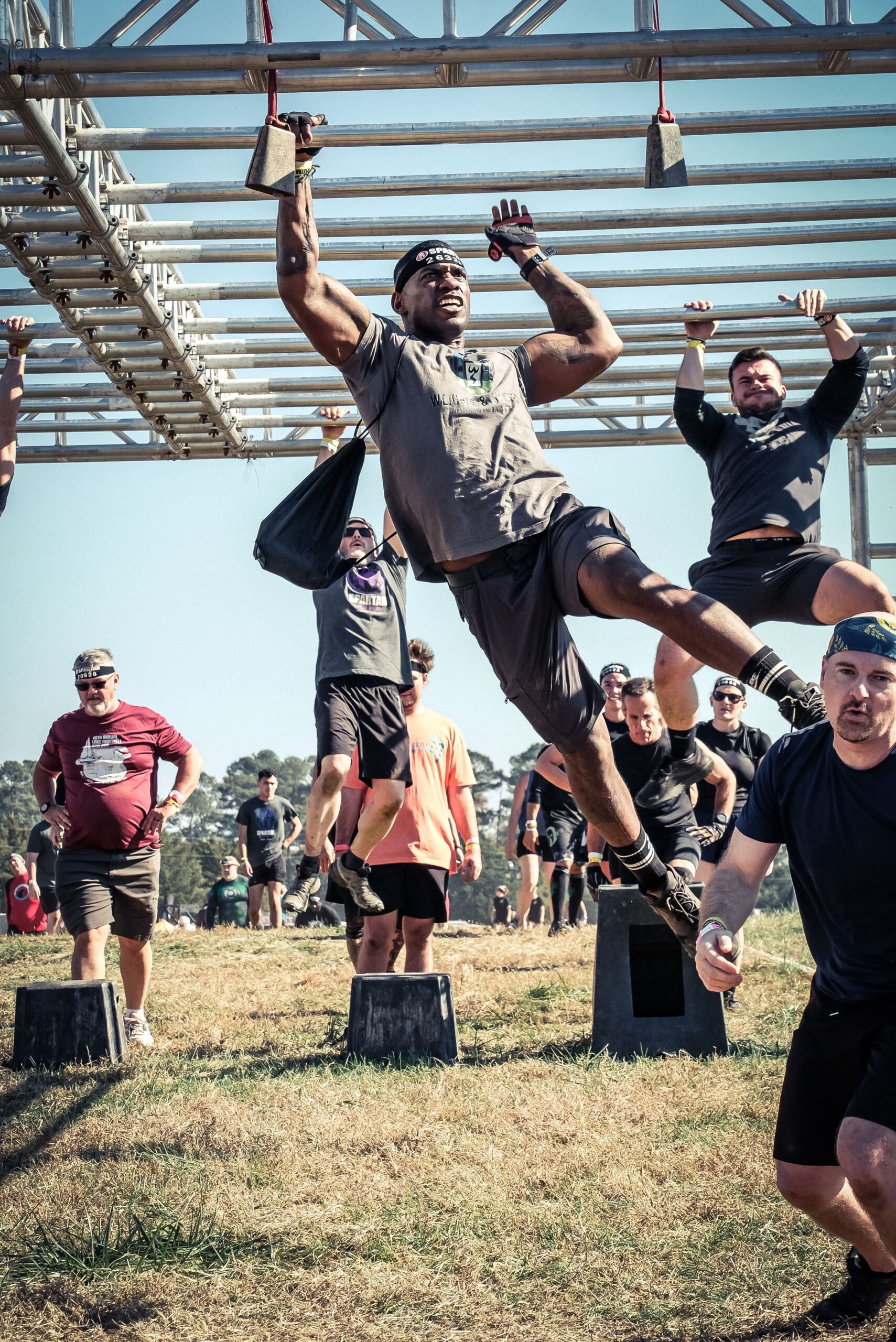
Savage Race is known for creativity, speed, and brutal obstacle combinations. It often feels more athletic and explosive compared to other OCR events. The obstacles are designed to test grip strength, agility, coordination, explosive power, and upper body endurance. Savage Race rewards athletes who can move fast while fatigued. The hanging obstacles, muddy crawls, and explosive wall climbs pictured throughout this article represent the type of chaos athletes face during Savage Race events.
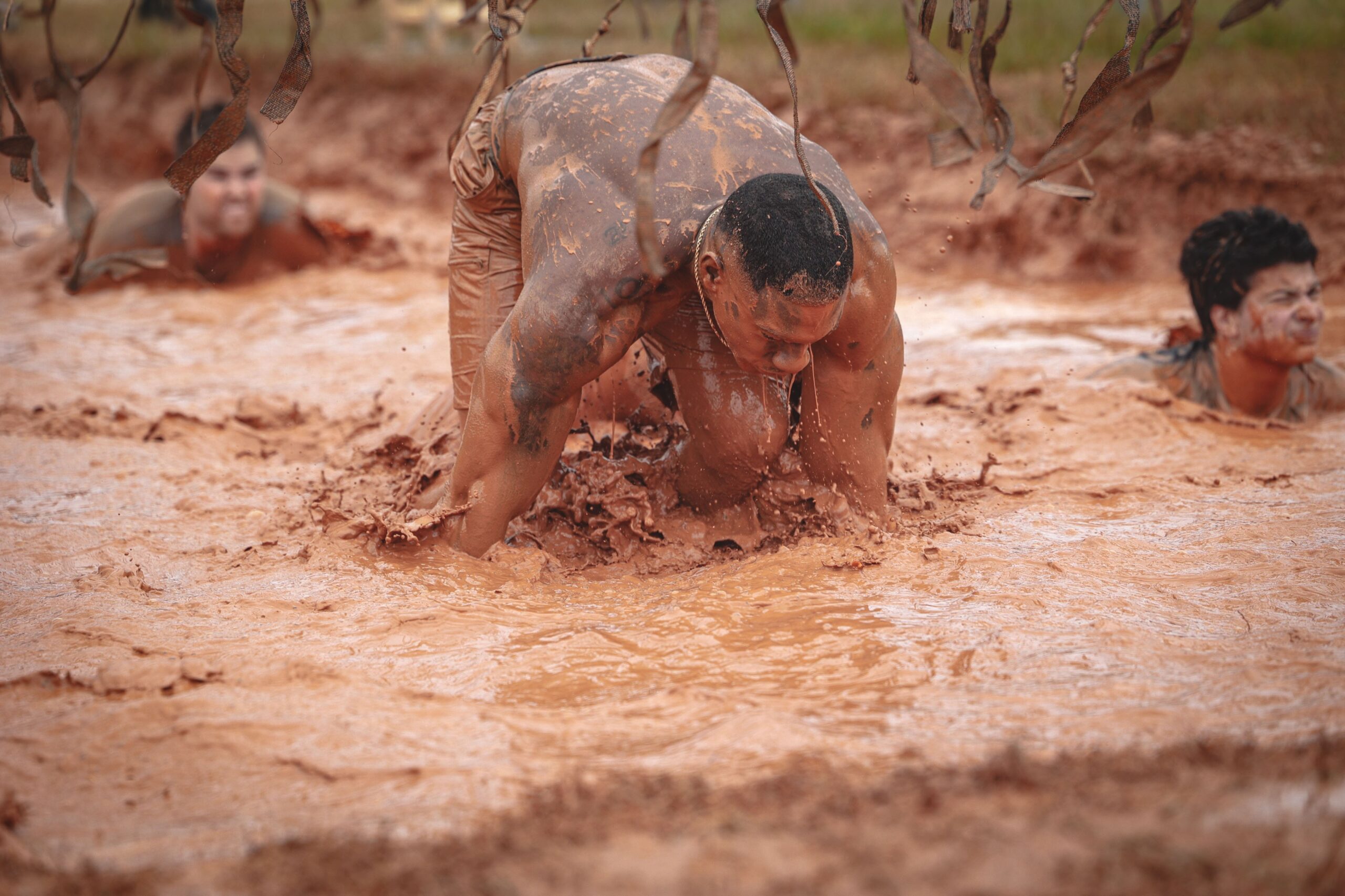
Tough Mudder: Teamwork and Endurance
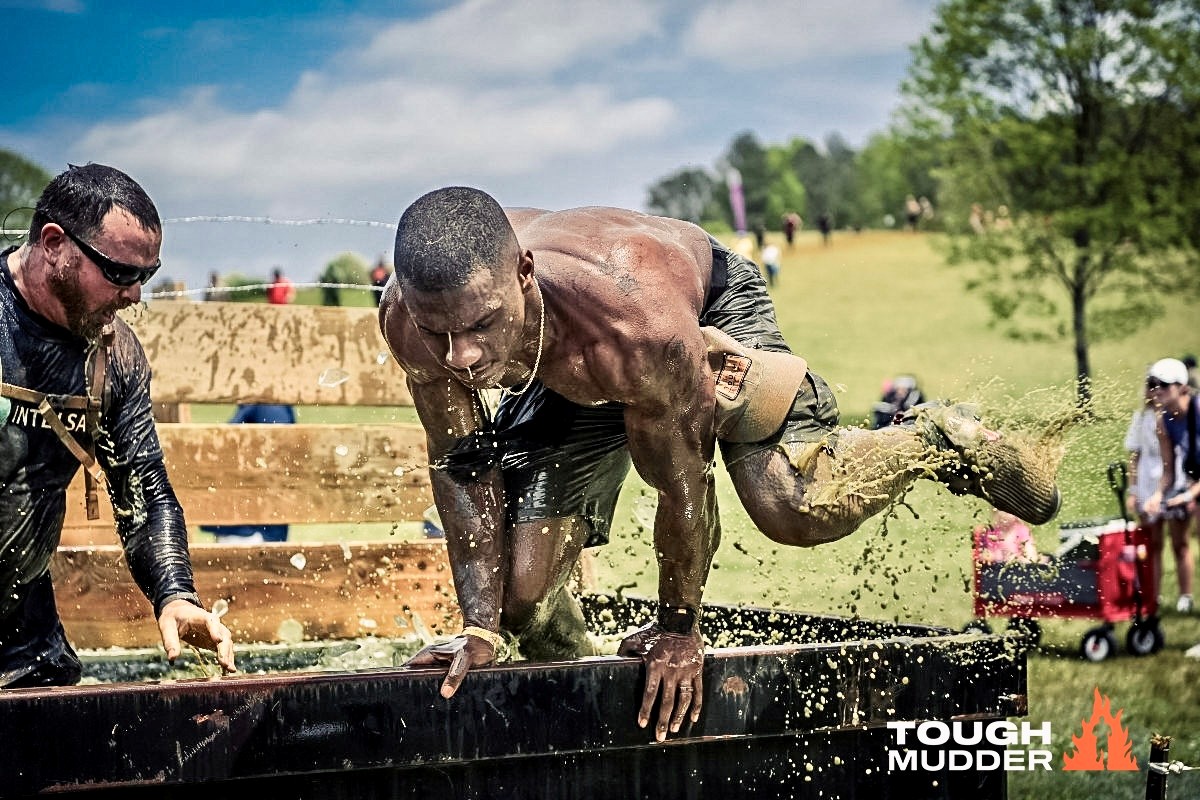
Tough Mudder is different from both Savage and Spartan because it focuses heavily on teamwork and shared suffering. You’ll face ice baths, electric shock obstacles, massive mud pits, and team walls that often require assistance from others to complete. Tough Mudder rewards resilience, teamwork, and the willingness to keep moving even when exhausted.
The Hardest Part Isn’t Physical
People think obstacle races are about muscles. They’re not. The hardest part is the conversation happening in your own head. You’re covered in mud, forearms burning, lungs exhausted, staring at another obstacle wondering if you’ve got anything left. Then you find out you do.
Why Doing Hard Things Changes Your Mind and Body
Obstacle course racing builds more than fitness. It builds mental resilience, stress tolerance, confidence, discipline, emotional control, and physical durability. Once you voluntarily run through mud, climb walls, carry heavy objects uphill, and finish something difficult… everyday stress starts feeling smaller.
Nutrition Matters More Than Most People Realize
You cannot perform at a high level in OCR racing without proper nutrition and recovery. Your body needs the right fuel to perform, recover, and come back stronger.
Weights & Shakes believes supplements should support performance, recovery, and consistency.
The Finish Line Feeling
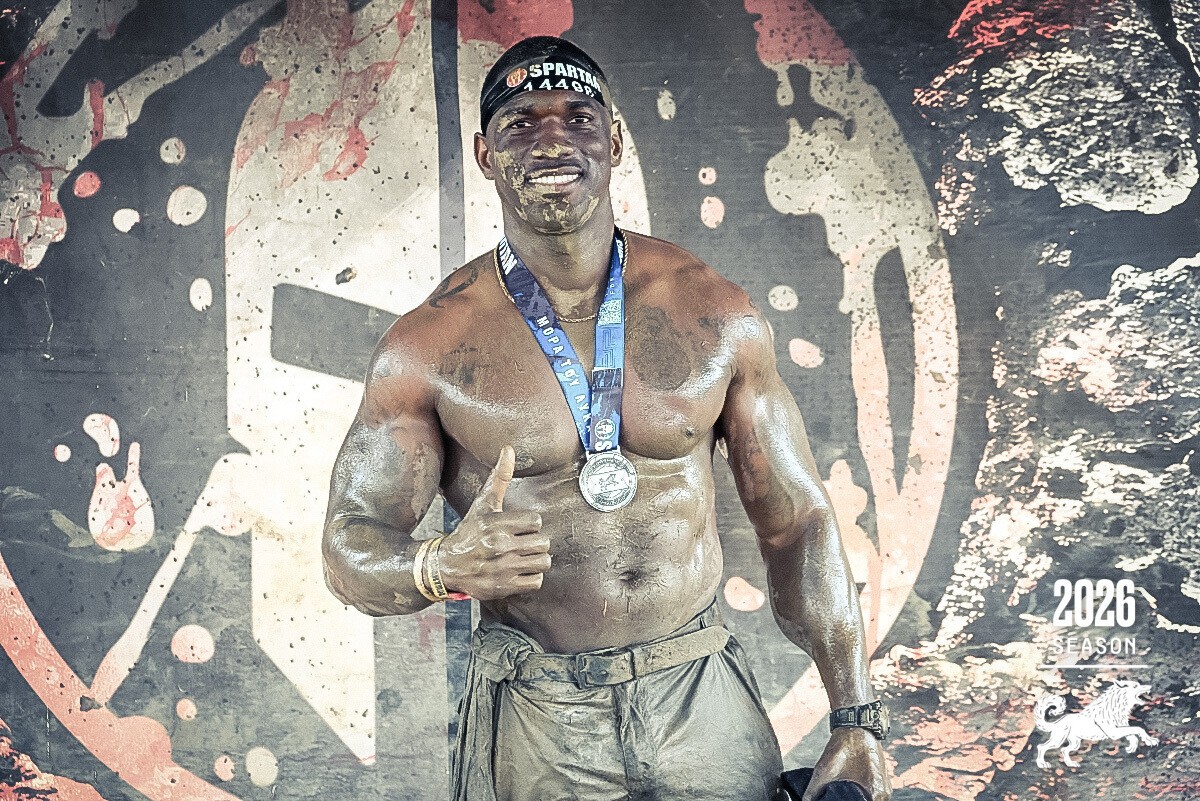
There’s a moment after every race. You’re soaked. Mud-covered. Exhausted. Your arms are shaking. Your legs are cramping. Your lungs feel empty. But then you hear the crowd. You see the finish line. And suddenly all the pain becomes worth it. That feeling is difficult to explain unless you’ve lived it. You realize something important: you’re capable of far more than you thought.
Final Thoughts
Whether it’s Spartan Race, Savage Race, or Tough Mudder, obstacle course racing forces growth. You learn how to suffer. You learn how to adapt. You learn how to keep moving forward under pressure. So train hard. Fuel your body. Embrace discomfort. And attack the obstacle in front of you. One step at a time.
— Author: Rhyan Walcott